
Pin Parvati Pass
Pin Parvati, Kullu Himachal
Pin Parvati Pass, also known as Pin Parbati Pass, is a captivating mountain pass located in Himachal Pradesh, India. Let’s embark on a virtual journey through this challenging and picturesque trail:
Geography and Elevation:
Location: The pass stands at an impressive altitude of 5,319 meters (17,451 feet) above sea level.
Crossing History: In August 1884, Sir Louis Dane became the first to traverse this challenging route in search of an alternate path to the Spiti Valley.
The Trekking Adventure:
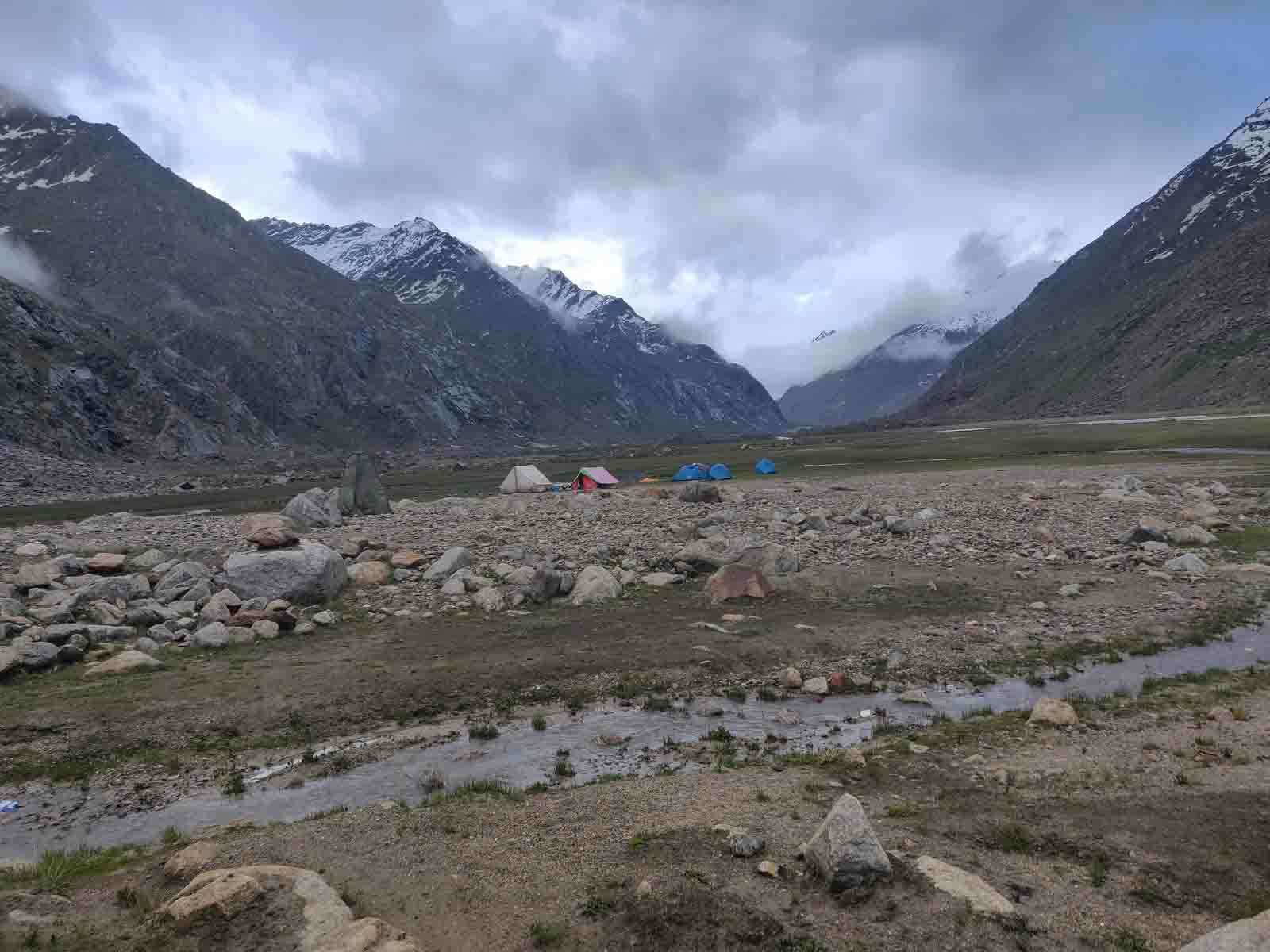
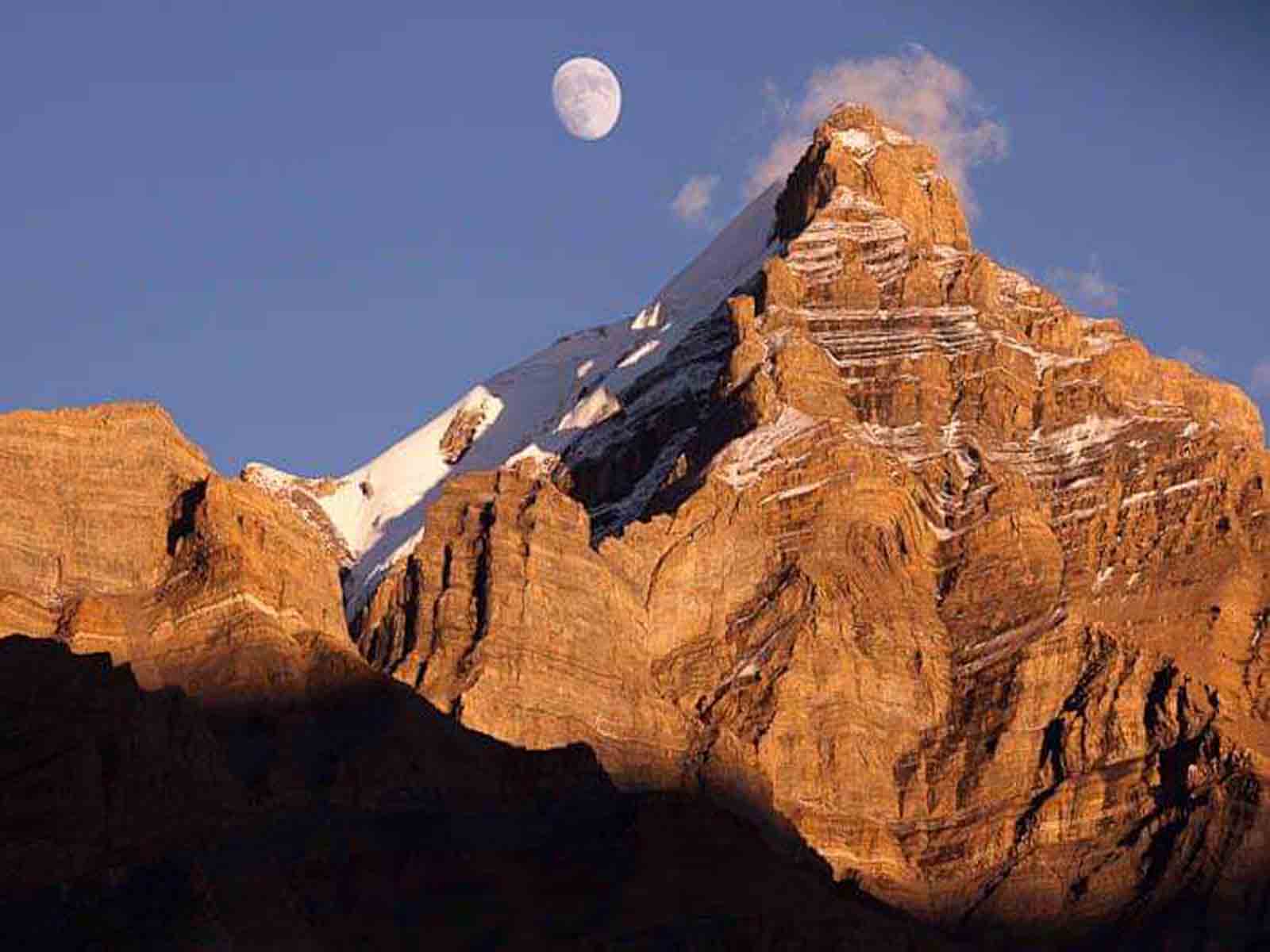
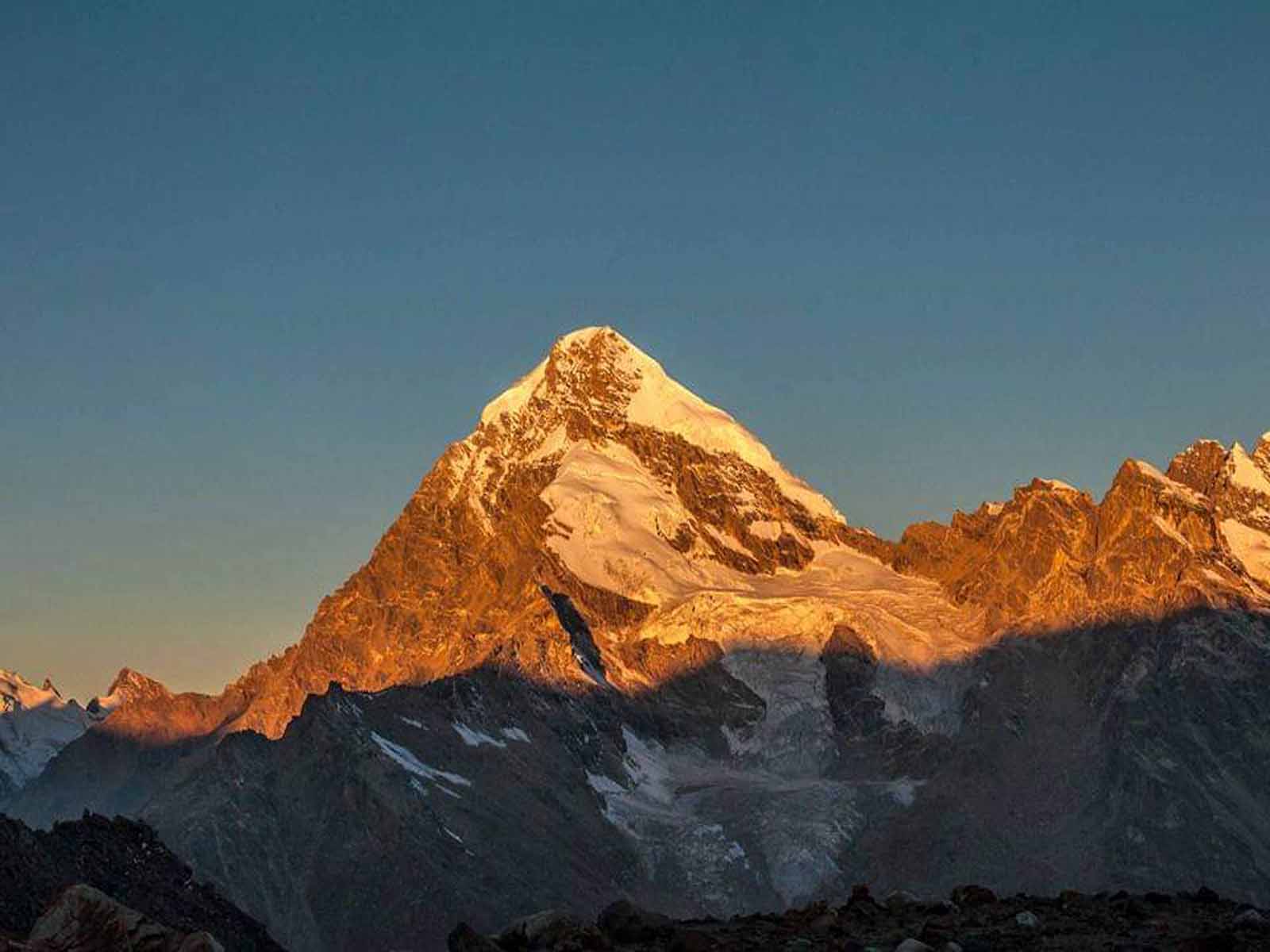
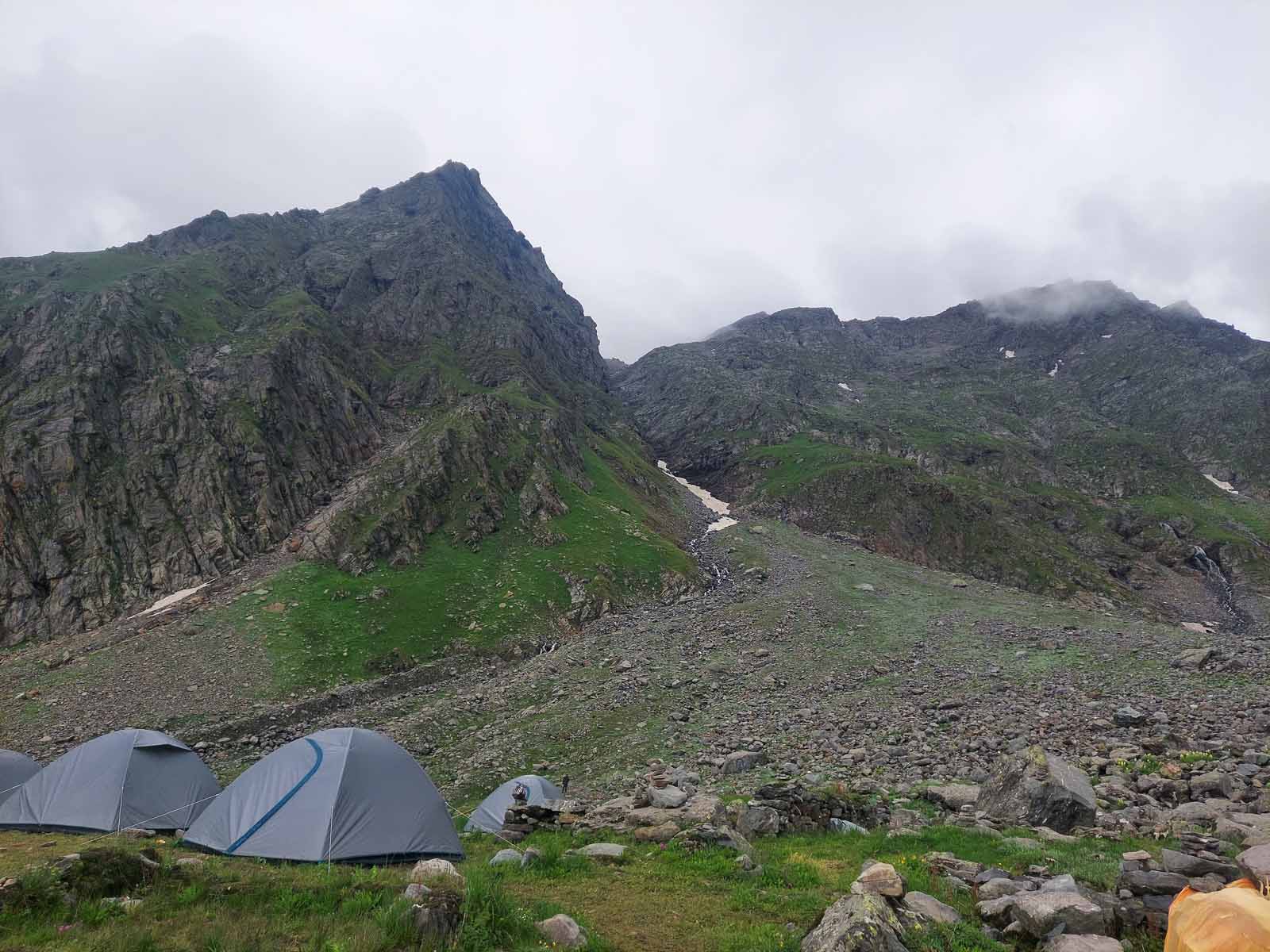
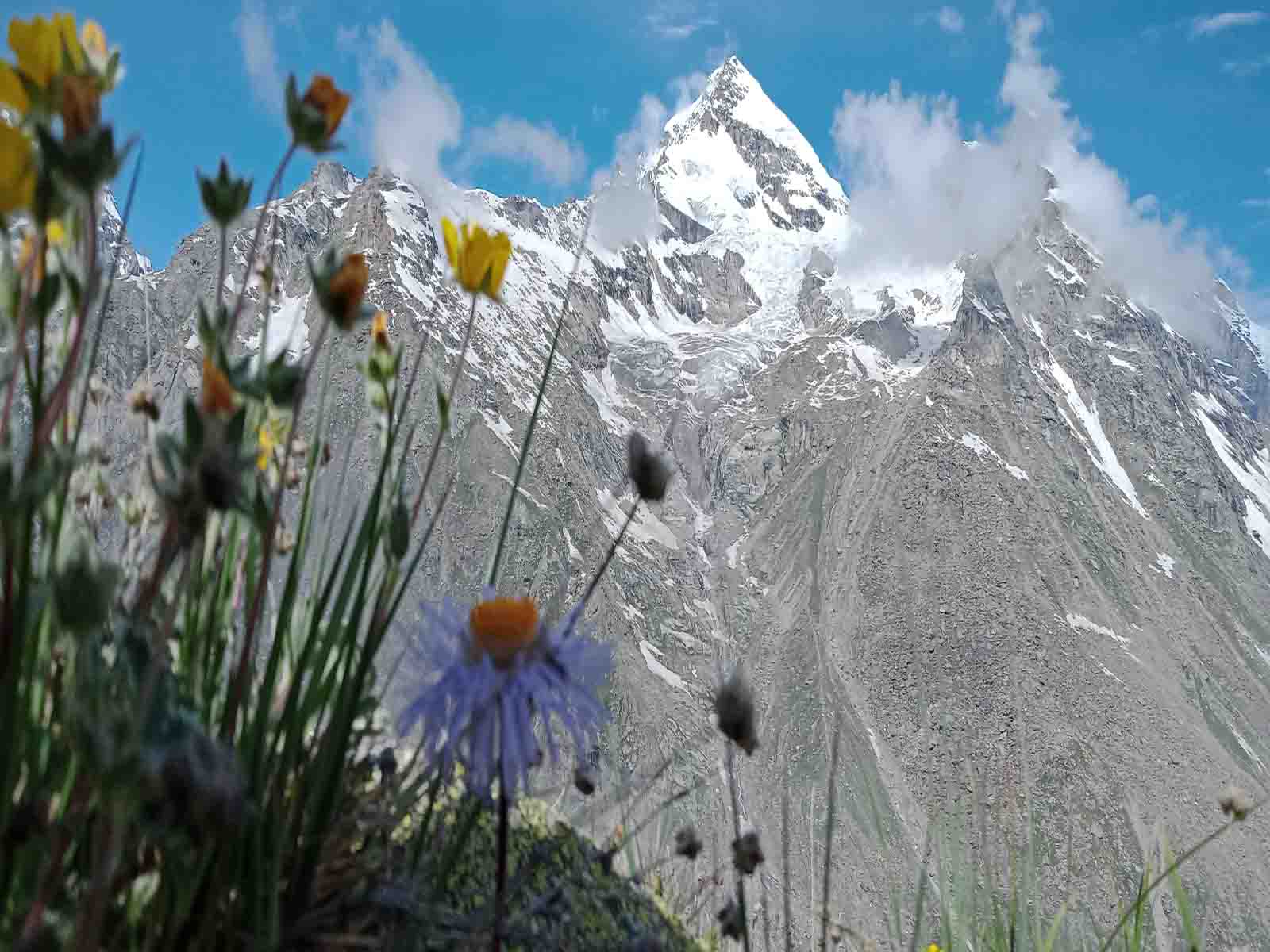
Pin Parvati Pass Trek: This trek is renowned for its stunning beauty and difficulty. It takes you through the Parvati Valley in Himachal Pradesh, offering breathtaking vistas of snow-capped peaks, high-altitude lakes, and glaciers.
Trail Highlights:
Kalga to Mud: The trek starts at Kalga and ends at Mud.
Barsheni Village: Begin by driving to Barsheni Village from Kullu.
Rudranath, Khirganga, Tunda Bhuj, and Thakur Kuan: Along the way, discover barren valleys, attractive villages, sea cliffs, and chilling waterfalls.
Pin Valley to Parvati Valley: The pass connects the lush green Parvati Valley on the Kullu side with the Pin Valley on the Spiti side.
Best Seasons:
Monsoon Treks (July - August): Ideal for experiencing the vibrant greenery.
Autumn Treks (September - Mid November): Witness the changing colors of the forests.
Snow: The pass remains snow-covered throughout the year, except during monsoons.
The Essence:
Challenging Terrain: The Pin Parvati Pass is known for its high altitude and uncertain weather conditions.
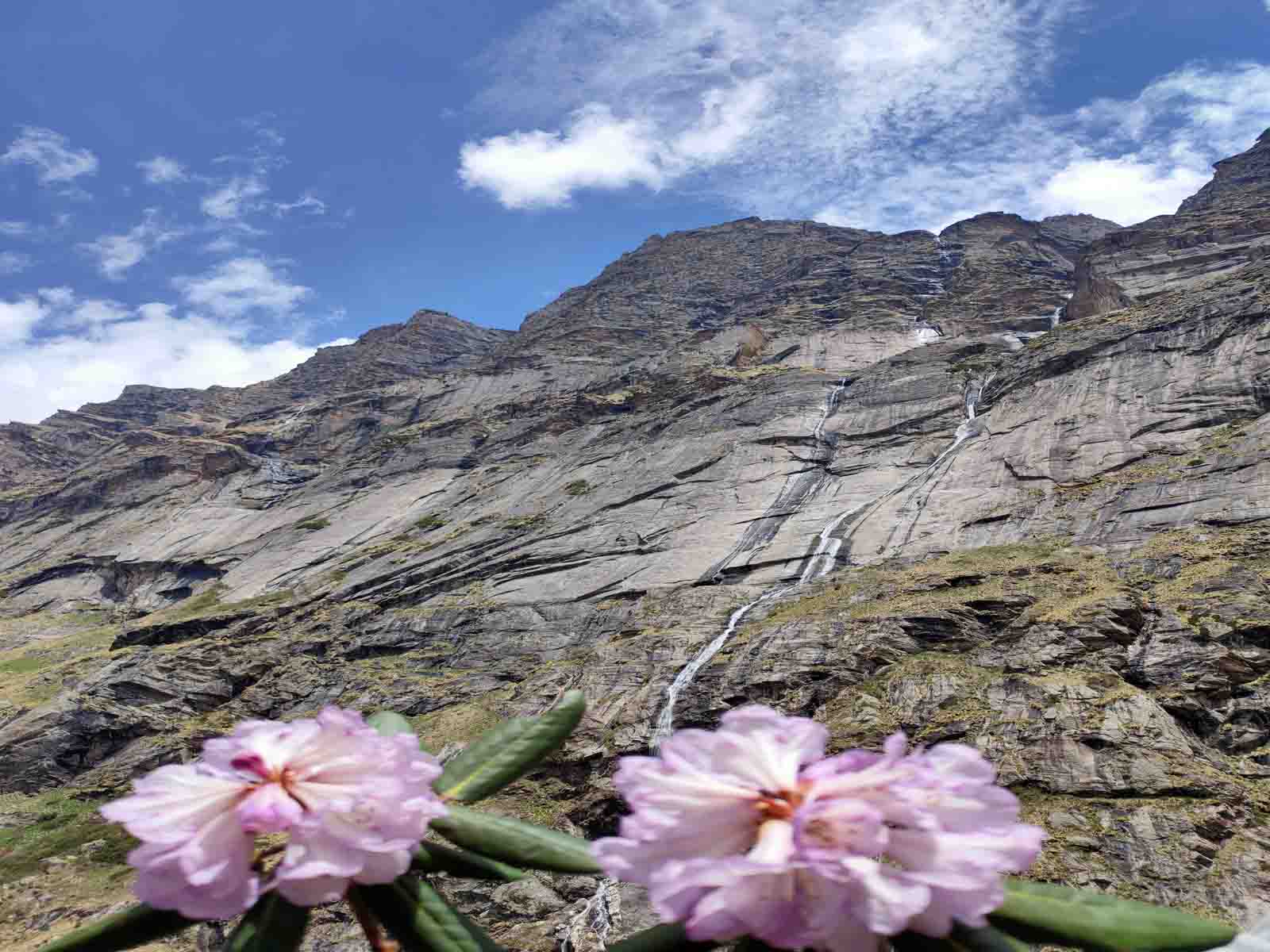
Abundant Beauty: Expect intense alpine forests, colorful blossoms, and stark landscapes.
Cultural Contrast: Traverse from the lush Parvati Valley to the Buddhist villages of Spiti.
Pin Parvati Pass Trek—where every step echoes with adventure, where nature paints its own masterpiece. Lace up your boots, breathe in the mountain air, and let the journey unfold!
Tour Program
Pin Parvati Trek Itinerary
Overnight Camping
Overnight Camping
Overnight Camping
Overnight Camping
Overnight Camping
Night In Hotel
END
• Local Experience Guide
• Full Board (Breakfast, Lunch &Amp; Dinner.
• Twin Sharing Specious Tent &Amp; Foam Mattress
• All Meals During Trekking-Lunch Will Be Served As Packed
• Kitchen Team With All Necessary Items
• Camping Fee / Permit
• Every Body Have To Carry Their Own Bags
best time to visit pin parvati trek
The best time to undertake the Pin Parvati Trek is during the trekking season from June to September. The weather during this period is relatively stable, with clear skies and pleasant daytime temperatures, ranging from 15 to 20 degrees Celsius. Some sources also suggest that the monsoon season, from July to August, and the autumn season, from September to November, are optimal times for the trek. However, please note that the weather in the mountains can be unpredictable and it’s always a good idea to check the local weather forecast and consult with trekking experts or guides before planning your trek. Enjoy your adventure! 🏔️
For bookings and inquiries, contact +91 9736018883
Kheerganga trek
Scenic Beauty: The trek takes you through breathtaking landscapes with lush green forests, cascading waterfalls, and panoramic views of the snow-capped Himalayan peaks.
Kheerganga Hot Springs: The highlight of the trek is reaching the natural hot water springs at Kheerganga. These hot springs are believed to have medicinal properties and are perfect for relaxation and rejuvenation.
Trekking Trail: The Kheerganga Trek is of moderate difficulty level, making it suitable for both beginners and experienced trekkers. The trek involves walking for about 9-10 km on an average, with some steep ascents and descents.
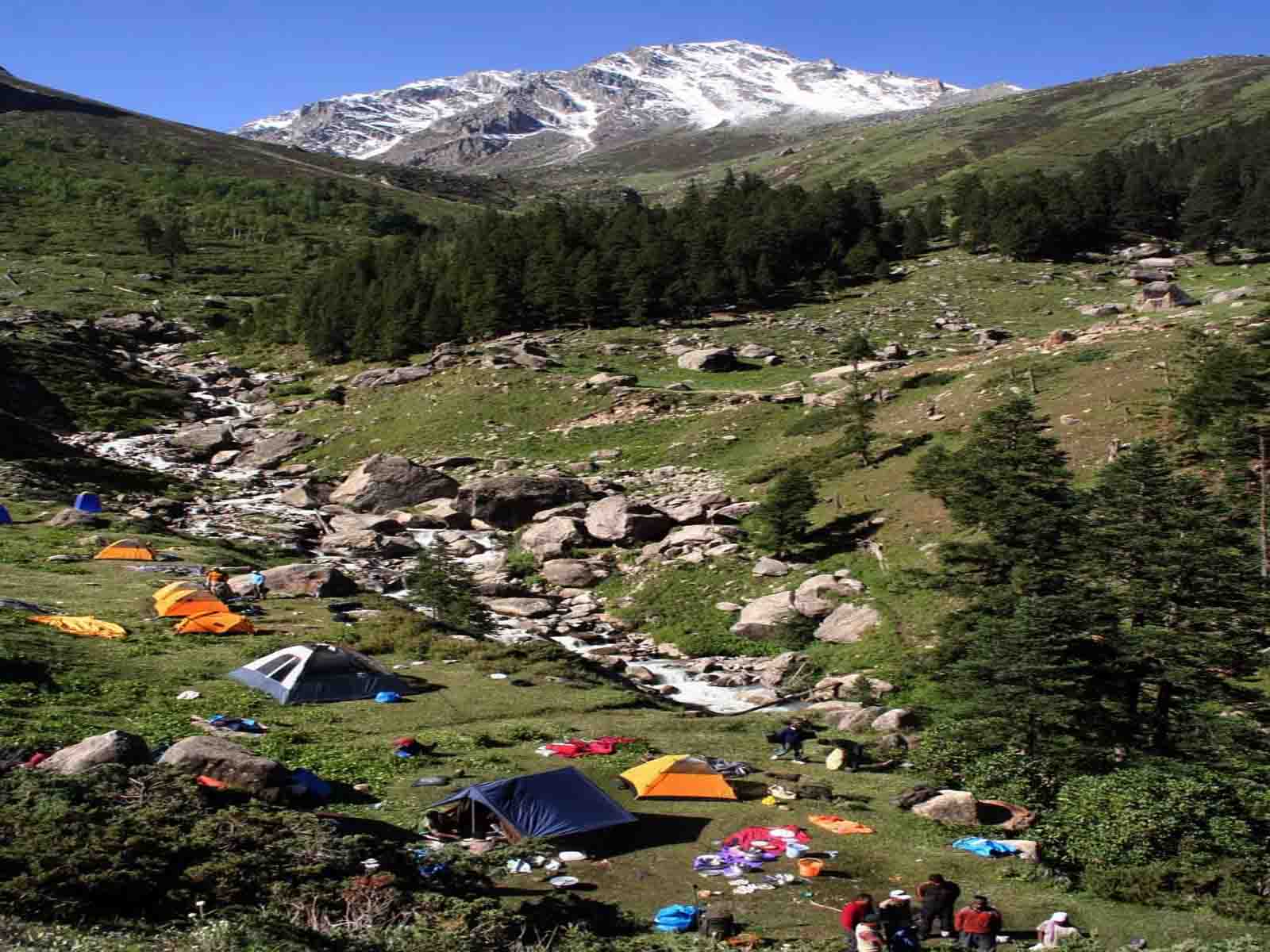
Camping: Along the trail, you will come across beautiful camping spots surrounded by towering mountains. Spending a night under the starry sky and waking up to the peaceful ambiance of the mountains is a memorable experience.
Altitude: The altitude of Kheerganga is about 2960 meters.
The trek starts from Barshaini, a small town in the Parvati Valley, and takes you to the Kheerganga hot springs. The trek is of beginner level and takes around 2 days to complete. Please note that the weather in the mountains can be unpredictable and it’s always a good idea to check the local weather forecast and consult with trekking experts or guides before planning your trek. Happy trekking! 🏔️
For bookings and inquiries, contact +91 9736018883
Tunda Bhuj to Thakur Kuan
Trek Distance: The distance from Tunda Bhuj to Thakur Kuan is approximately 11 km.
Altitude: Thakur Kuan is located at an altitude of 3,620 meters.
Trek Duration: The journey from Tunda Bhuj to Thakur Kuan typically takes around 6 to 7 hours.
Route: The trek route passes through beautiful meadows and deodar forests.
Starting Point: The trek starts from Tunda Bhuj.
For bookings and inquiries, contact +91 9736018883
Mantalai Lake
Altitude: Mantalai Lake is situated at an altitude of 4100 meters (13,500 ft) above sea level.
Source of Parvati River: The lake is the source of the revered Parvati River. It is formed by the melting of snow from the nearby mountains and glaciers.
Trek Duration: The trek to Mantalai Lake is challenging and typically takes around 8 days.
Best Time to Visit: The best time to undertake the Mantalai Lake Trek is during the months of May-June and September-October.
Location: The lake is located in the Parvati Valley, which is known for its scenic beauty and peaceful environment.
The trek to Mantalai Lake starts from Barsheni and leads on to Kheer Ganga, Tunda Bhuj, Thakur Kuan, Odi Thatch, and finally reaches Mantalai.
For bookings and inquiries, contact +91 9736018883
Pin Parvati advisory
Best Time to Visit: The best time to go for this trek remains is from mid-June to mid-July and from the third week of August to the end of September.
Experience Required: This trek is recommended for experienced trekkers who have done high altitudes above 15,000 ft before.
Fitness Level: Trekkers should be able to cover 5 km of distance in 30 minutes without a stress.
Medical Check-ups: Mandatory medical health check-ups of all participants are required prior to the start of the activity.
Safety Gears: All major safety gears related to each category of sports are mandatory to use.
Guides: It is necessary to maneuver with extreme caution, and guides are available to help.
Always ensure to check the local weather forecast and consult with trekking experts or guides before planning your trek. Happy trekking! 🏔️
For bookings and inquiries, contact +91 9736018883
There are many other treks in Himachal Pradesh that you can explore. Here are some of them:
This trek takes you to the beautiful Bhrigu Lake, which is said to change colors with the seasons. The trek offers panoramic views of the Pir Panjal, Dhauladhar, and Great Himalayan ranges. The trek is moderate in difficulty and can be done in 3 to 4 days. The best time to do this trek is from May to October.
Pin Parvati Pass Trek:
This trek is one of the most challenging and rewarding treks in Himachal Pradesh. It crosses the Pin Parvati Pass at an altitude of 5,319 meters, connecting the lush Parvati Valley with the barren Spiti Valley. The trek offers a diverse landscape of forests, meadows, glaciers, rivers, and villages. The trek is strenuous in difficulty and can be done in 10 to 12 days. The best time to do this trek is from July to September.
Triund Trek:
This trek is one of the most popular and easy treks in Himachal Pradesh. It takes you to the Triund Hill, which offers a stunning view of the Dhauladhar range and the Kangra Valley. The trek is suitable for beginners and can be done in 1 to 2 days. The best time to do this trek is from March to December.

How to Reach Pin Parvati Trek
By Air: The nearest airport to the Pin Parvati trek is Bhuntar Airport, located about 50 km from Kullu. From the airport, you can hire a taxi or take a bus to reach the starting point of the trek.
By Train: The nearest railway station to the Pin Parvati trek is Joginder Nagar Railway Station, located about 166 km from Kullu. From the station, you can take a bus or a taxi to reach Kullu and then proceed to the trek.
By Road: You can also drive or take a bus from major cities such as New Delhi and Chandigarh to reach Kullu and then the trek. The road journey may take around 12-14 hours from New Delhi. You can also book a seat on a bus from Delhi to Manali and then take a local bus or taxi to the trek.
I hope this helps you plan your travel to the Pin Parvati trek.
Billing Adventures Manali
For bookings and inquiries, contact +91 9736018883