
Best Offers
Triund Trek
Triund is a small hill station in the Kangra district in the state of Himachal Pradesh, India. Triund is a part of Dharamkot. Triund is at the foot of the Dhauladhar ranges and is at a height of 2,828 metres.
Triund is the crown jewel of dharamshala, situated in the laps of dhauladhar mountains, it has the perfect view of the dhauladhar mountains on one side and kangra valley on the other. Triund is a very popular trekking spot. Triund attracts a lot of tourist every year from India and all over the world.
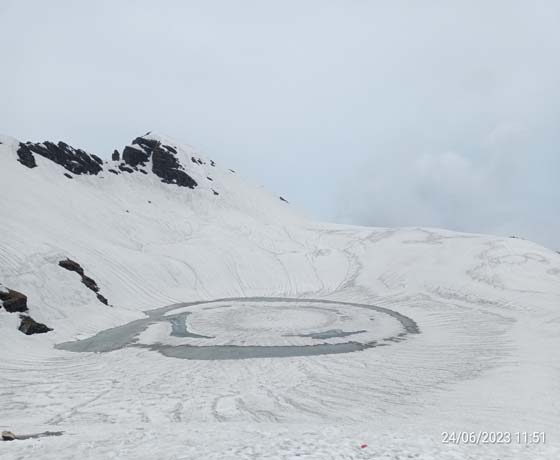
Bhrigu Lake Trek
Bhrigu Lake or Brighu Lake is a lake located at an elevation of around 4,300 metres in Kullu district, Himachal Pradesh, India. It is located to the east of Rohtang Pass and is around 6 kilometres from Gulaba village.
A lot of trekkers do the Bhrigu Lake trek for the lake is steeped in mythology. This trek lies in Himachal Pradesh, around 20 km north of Manali and can be accessed from Gulaba.From these grassy knolls, you will see the mountains of Pir Panjal and Dhauladhar dominating the skyline.
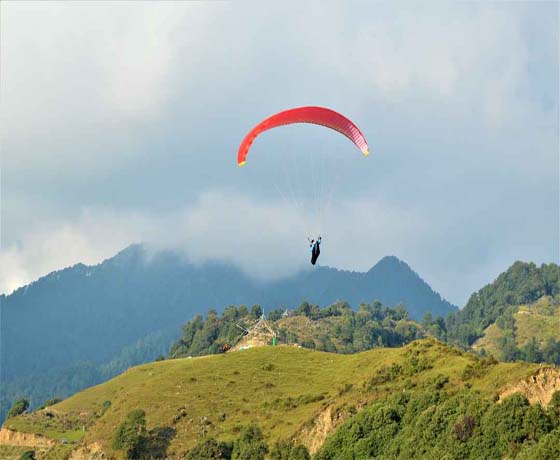
Paragliding in Bir-Billing
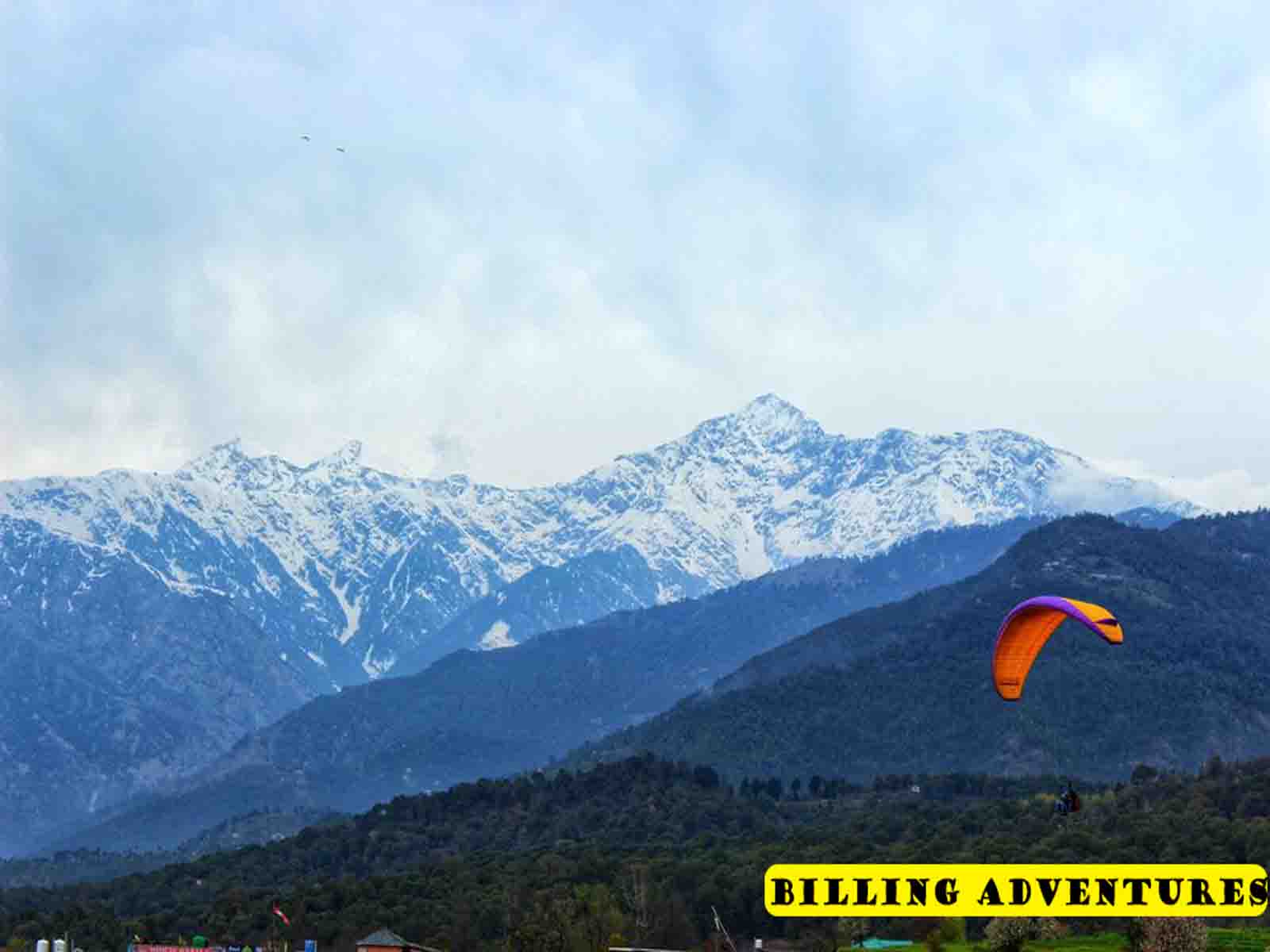
Bir-Billing is the best spot for Tandem Paragliding sessions in Himachal Pradesh, India. Normal paragliding flight is for 15 to 30 mins.
There are two seasonal times to visit Bir - from March to May and from late September to November. These months are the best months if you're looking to do paragliding in Bir. The summers during the months of April to June are pleasant.
World's second highest Paragliding site which is approx 5000 feet AGL (Above Ground Level) and approx 8000 feet above sea level
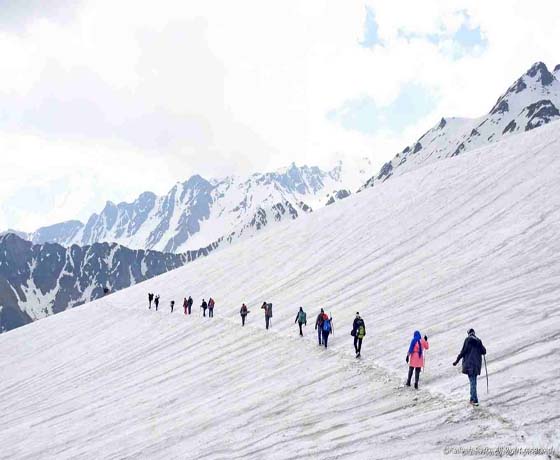
Sar Pass Trek
The Sar Pass is in Parvati Valley of Kullu district of Himachal Pradesh, a state of India. Sar, in the local dialect, means a lake. While trekking across the path from Tila Lotni to Biskeri Ridge, one has to pass by a small, usually frozen lake and hence the name Sar Pass Trek.
And the best time to go on the Sar Pass trek is during April and May. You will get to enjoy thick snow when you reach the higher altitudes and the weather in Sar Pass is extremely pleasant during these months.
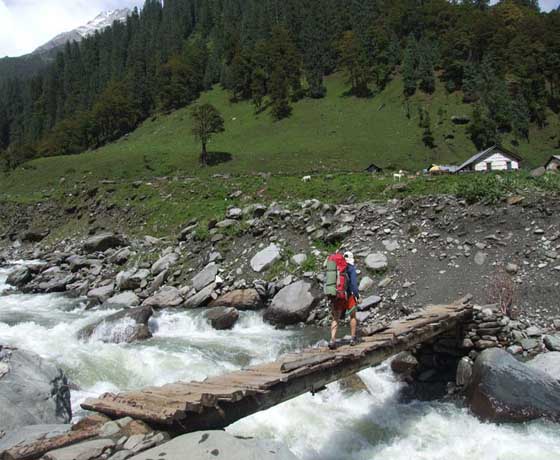
Thamsar Pass Trek
Thamsar Pass trek is one of the most exciting and challenging trail in Kangra district of Himachal Pradesh. It's a maximum of 12-day trail elevated at a height of 4665 m, which begins from Bir.
I have done sarpass circuit recently, best for snow treks in India , in Kullu region. Its absolutely recommended for beginners. You can enjoy the snow and scenic views over the trek. I booked this trek through "Billing Adventures" , operations and coordinators of the trek was great.
Rajgundha Trek
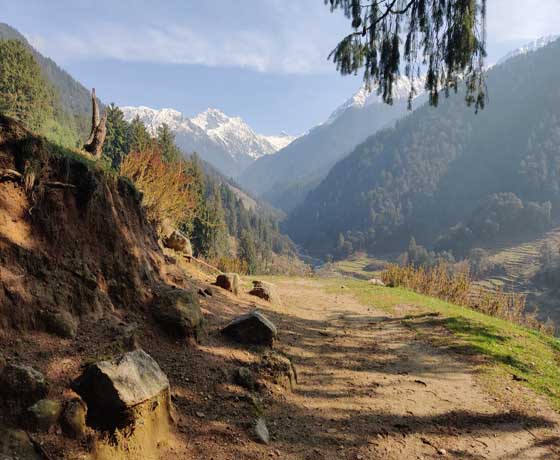
Rajgundha Trek Distance: 16 KM. Summit Height: 8,900 Ft. Rajgundha Trek Temperature: The average yearly temperature ranges from -5 degrees C to 3 degrees C at night and around 8 degrees C to 15 degrees C during the day. Rajgundha Trek Difficulty Level: Easy To Moderate.
Rajgundha: Rajgundha is a village situated above Billing at the distance of 11 km approx. It is a very beautiful village and less explored. Rajgundha valley is full of natural beauty and one can experience the calmness of the mother nature. This is the best place for Camping and Trekking also.
Chamba Trek Over Indrahara Pass
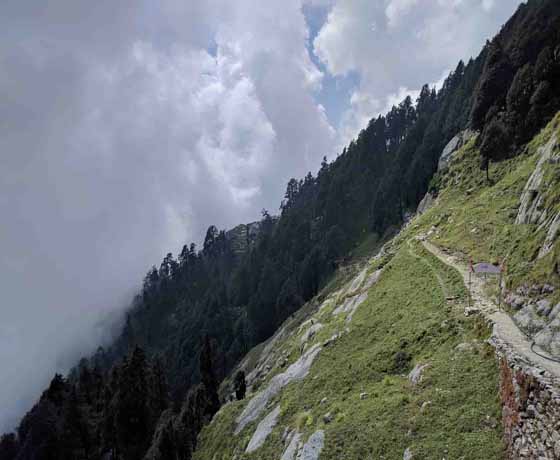
The Chamba Trek Over Indrahara Pass is a challenging and rewarding trek that takes you from Dharamshala to Chamba, crossing the Indrahara Pass at an altitude of 4,342 meters. The trek offers stunning views of the Dhauladhar and Pir Panjal ranges, as well as the opportunity to experience the culture and lifestyle of the Gaddi shepherds who inhabit the region. The trek can be done in 4 to 5 days, depending on your pace and fitness level.
Hampta Pass Trek
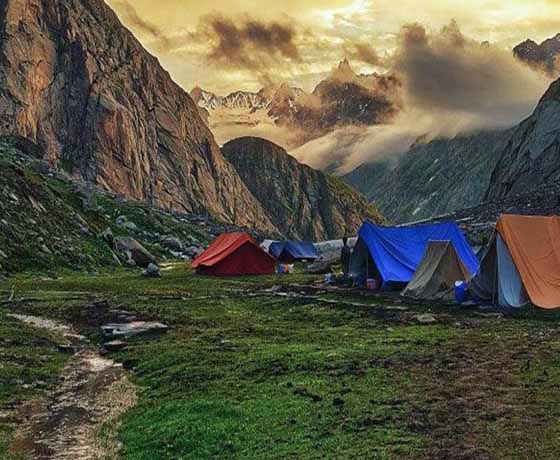
Hamta Pass is a corridor in the Himalayas, between the Chandra Valley in Lahaul and the Kullu valley of Himachal Pradesh, India. The pass is named after Hamta Village, below Sethan village.
The total trekking distance of the Hampta pass trek is about 35 KM that is to be covered on foot. The circuit of the trek is as follows: Manali - Jobra - Jwara - Balu ka Gera - Hampta Pass - Shea Goru - Chatru - Manali. For this trek, you will need four active days in which you can complete the entire trek.
Pin Parvati Pass
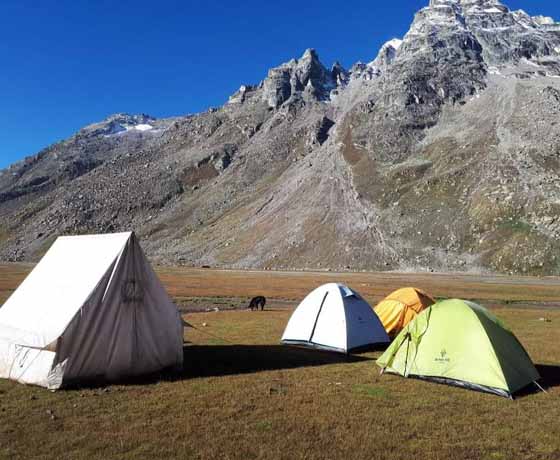
The Pin Parvati Pass is a mountain pass in Himachal Pradesh, India, at 5,319 m. It was first crossed in August 1884 by Sir Louis Dane in search of an alternate route to the Spiti valley. This pass connects the fertile and lush Parbati valley on the Kullu side with the barren high-altitude Pin valley on the Spiti side.
Pin Parvati pass trek is a very enthralling experience to have fun while trekking and enjoy the enormous landscape view very closely. The Pin Parvati pass trek is definitely not for a beginner. it is an extremely difficult trek, with expedition like features. All days on the trek are long and some of the ledge and glacier walks and river crossings could also get dangerous. All of this at very high altitudes.
Bara Bhangal Trek
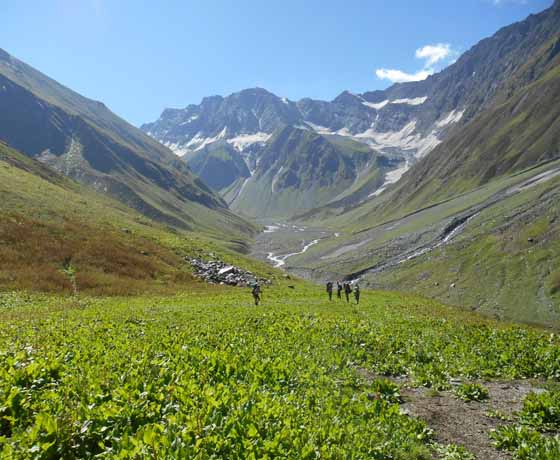
All details of the challenging and remote Bara Bhangal trek that connects Kullu Valley to Kangra Valley across 2 high passes, Kalihani and Thamsar Pass.
Bara Bhangal is one of the hardest and most thrilling treks in Himachal Pradesh. The steep and strenuous climb becomes worth it when one captures the incredible view of peaks like Indrasan, Deo Tibba, and Hanuman Tibba. At a distance of 3 km from Manali Bus Station, Bara Bhangal trek is a challenging trek that starts from the picturesque hill station of Manali, Himachal Pradesh. It is considered to be one of the most scenic treks in Manali as well as Himachal Pradesh.
Indrahar Pass Trek
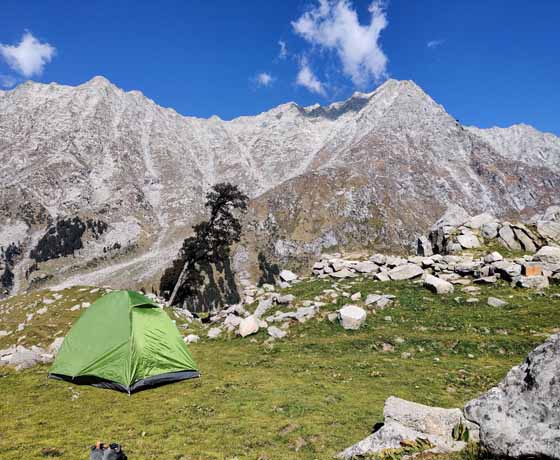
Indrahar Pass is a mountain pass in the Dhauladhar range of the Himalayas. Located at 32°17.852′N 76°22.872′E and an altitude of 4,342 metres above mean sea level, near the tourist town of Dharamshala in Himachal Pradesh, Indrahar pass forms the border between Kangra and Chamba districts.
It is part of a very popular trekking route from Dharamshala. It attracts substantial tourist traffic during the trekking season between April – October. The Indrahar Pass Trek features breathtaking landscapes, dazzling streams, deep gorges, serene lakes, and deodar woods all along the route.
Kareri Lake Trek
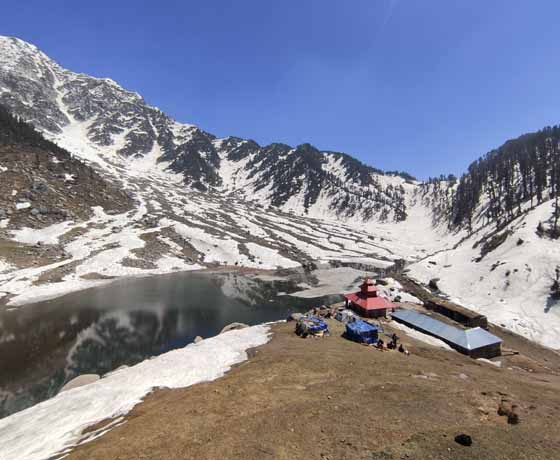
Kareri Lake is a shallow high elevation fresh water lake located on the southern spur of the Dhauladhar range approximately 9 km northwest of Dharamsala in Kangra district, Himachal Pradesh, India.
The total Kareri Lake Trek Distance is around 26 km. The trek to Kareri Lake starts from the Kangra region of Himachal Pradesh and is also considered to be the base camp of Minkiani pass. The trail goes through forests of rhododendron, oak, and pine.
The trek to Kareri Lake is considered moderately difficult, making it suitable for both beginners and experienced trekkers. It usually takes around 2 days to complete the trek, with the maximum altitude reaching about 9,650 feet.
Prashar Lake Trek
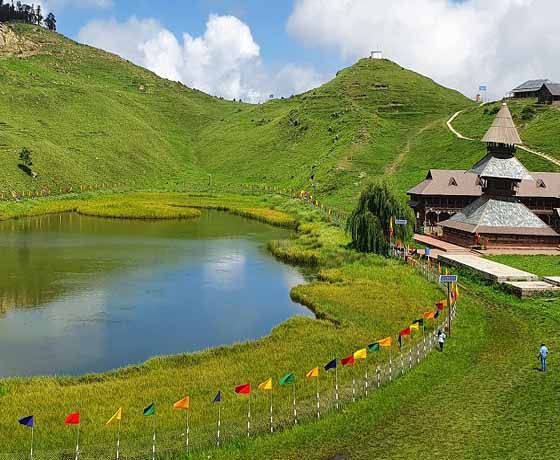
Parashar Lake is a freshwater lake located at an elevation of 2,730 metres in the Mandi district of Himachal Pradesh, India. It lies 49 km east of the town of Mandi, and has a three storied pagoda-like temple dedicated to the sage Parashara situated on its bank. It contains a floating island.
Traditionally, it is believed that the lake was formed as result of striking of rod (Gurj) by Rishi Prashar and water came out and took shape of the lake. An ancient Pagoda style temple dedicated to the Rishi Prashar, the patron God of Mandi region, stands besides the lake.
The Prashar Lake's depth has never been recorded because local beliefs prevent people from plumbing its depths, so no one really knows how deep the water is. Adding to this mystery, the island floats across the lake and changes its position around the year- the reason for which remains unknown.
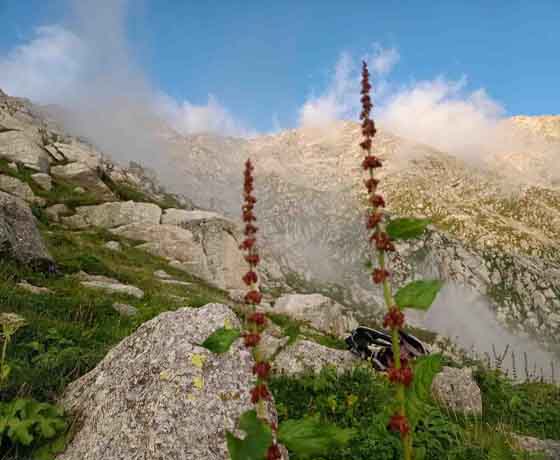
Chamba Trek Over Milkiyani Pass
The Chamba Trek Over Milkiyani Pass is an adventurous and scenic trek that takes you from Dharamshala to Chamba, crossing the Milkiyani Pass at an altitude of 4,250 meters. The trek offers stunning views of the Dhauladhar and Pir Panjal ranges, as well as the opportunity to experience the culture and lifestyle of the Gaddi shepherds who inhabit the region. The trek can be done in 4 to 5 days, depending on your pace and fitness level.
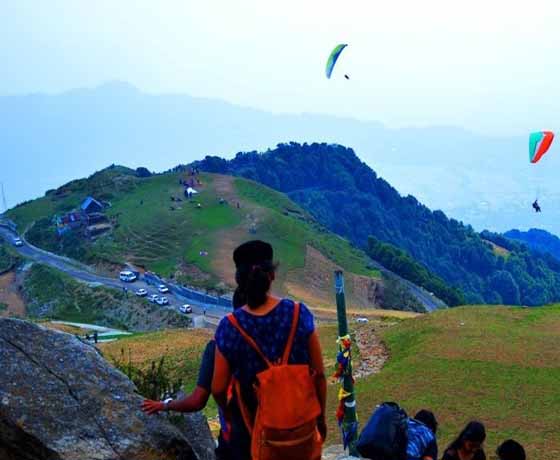
Camping with Paragliding in Bir Billing
Bir-Billing is the best spot for Tandem Paragliding sessions in Himachal Pradesh, India. Normal paragliding flight is for 15 to 25 mins
Bir(1600),surrounded by tea gardens and an amphitheatre of low hills, is an ideal landing ground for para-gliders. Bir has Buddhist monasteries that are worth visiting. Fine Tibetan handicrafts are also produced here. Billing,(2400 mts) up in the hills 14 km from Bir with an area of 200 km for high altitude and cross country flying, is one of the best aero sports sites in the country.
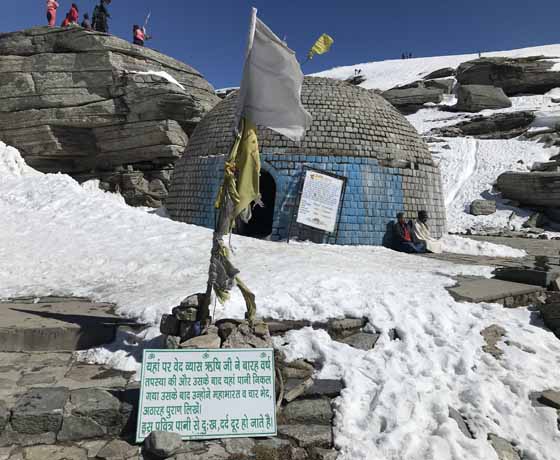
Beas Kund Trek
Beas Kund is a high altitude alpine lake that sits royally amidst the mountains of Himachal Pradesh at an altitude of 3,700 meters. This taintless beauty is the origin of Beas River, which is believed to be the water body where Sage Vyas use to take bath while he meditated.
The Beas Kund trail offers you close, base-to-summit views of big mountains of Manali like Friendship Peak, Shitidhar, Ladakhi and Hanuman Tibba. This is just within four days of trekking! These kinds of views of a mountain are usually gifts given to mountaineers and hardcore trekkers – after days of rigorous trekking.
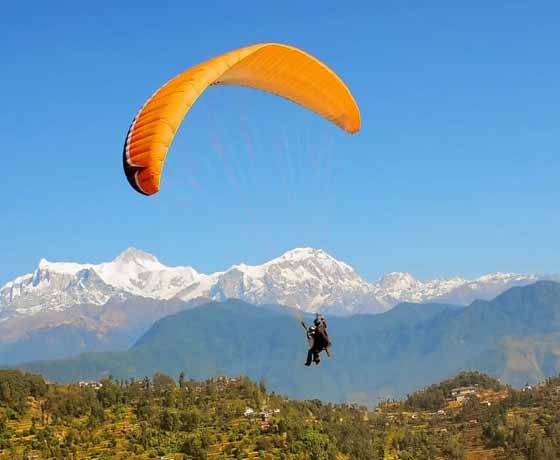
Paragliding in Dharamshala
Take-off from a mountain cliff & fly high in the sky at a whopping altitude of 5200 ft in Dharamshala.
One of the most exciting adventures is paragliding in Dharamshala. It is a breathtaking experience you will ever have in your life. During paragliding, witness an amazing birds-eye view of the Himachal from the take- off site, Indrunag at a height of 1700 meters above sea level.
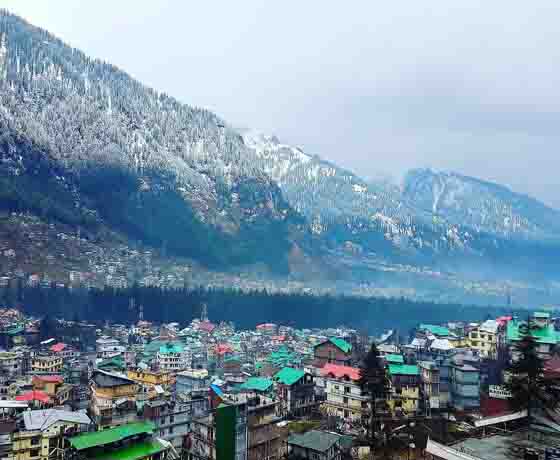
Manali Tour
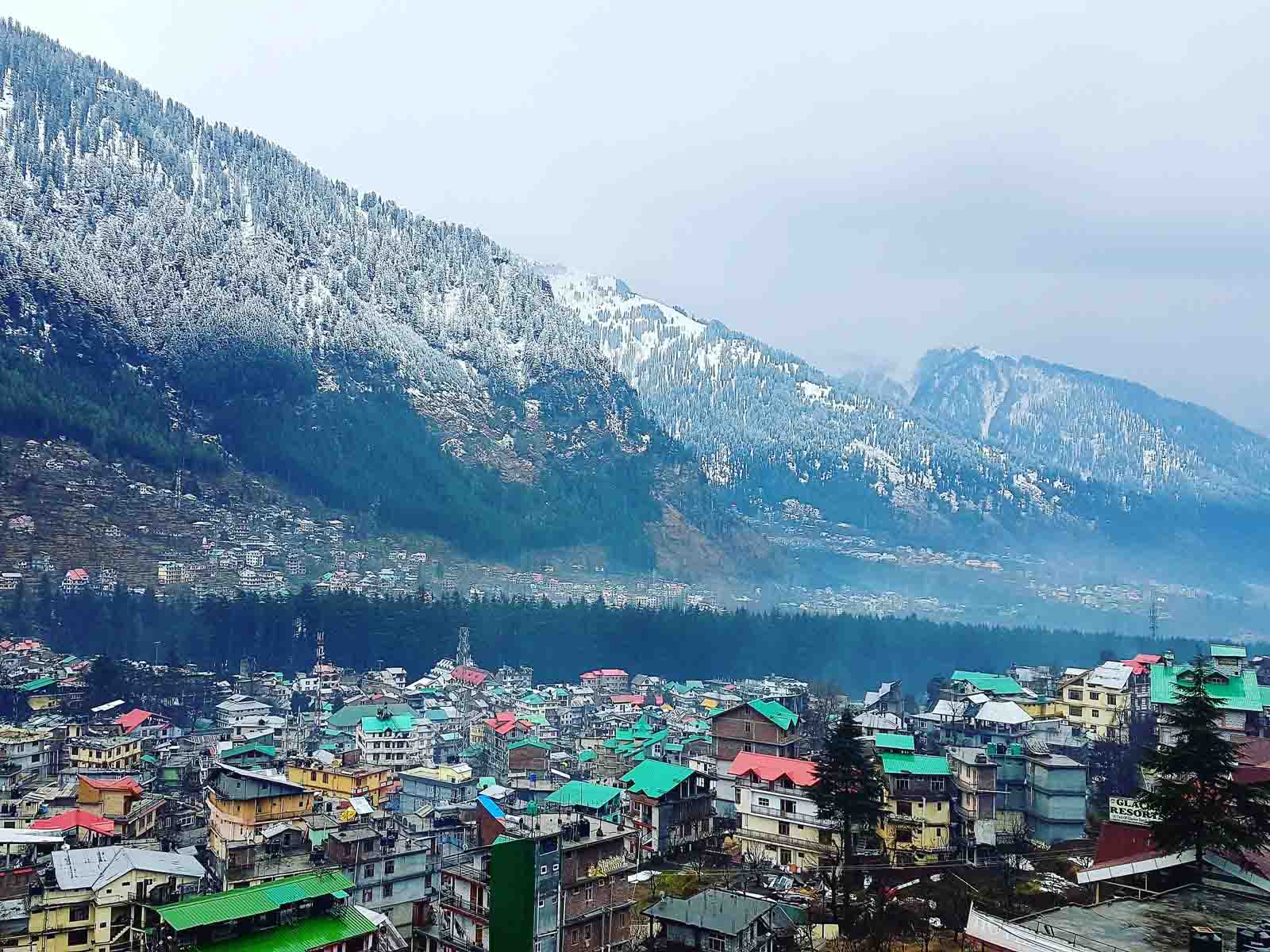
Manali is a high-altitude Himalayan resort town in India’s northern Himachal Pradesh state. It has a reputation as a backpacking center and honeymoon destination. Set on the Beas River, it’s a gateway for skiing in the Solang Valley and trekking in Parvati Valley. It's also a jumping-off point for paragliding, rafting and mountaineering in the Pir Panjal mountains, home to 4,000m-high Rohtang Pass.
Why is Mcleodganj famous
It is the home of the Dalai Lama and the Tibetan government-in-exile. The Dalai Lama’s residence and the main Tibetan temple are located here, attracting many pilgrims and visitors
It has many trekking routes, including the popular Triund Trek, which offers stunning views of the Dhauladhar mountains and the Kangra valley
It has a diverse and delicious food and coffee culture, influenced by its Tibetan and Indian heritage. You can find momos, thukpa, Tibetan bread, and butter tea, as well as Indian, Chinese, Italian, and Israeli cuisines
It has a rich history and culture, dating back to ancient times. It was named after a British governor, Donald Friell McLeod, and was a British hill station until India’s independence. It became a refuge for Tibetans fleeing from China’s occupation in 1959.
McLeod Ganj or McLeodganj is a suburb of Dharamshala in Kangra district, Himachal Pradesh, India. It is known as "Little Lhasa" or "Dhasa" as the Tibetan government-in-exile is headquartered here and there is a significant population of Tibetans in the region.
Mcleodganj is a hill station near Dharamshala, popular among trekkers. Its culture is a beautiful fusion of Tibetan with some British influence McLeodganj (also spelt McLeodGanj or Mcleodganj) is a suburb of Dharamsala in Kangra district of Himachal Pradesh, India.
Mcleodganj being a year-round destination can be visited any time of the year but the best time to visit Mcleodganj are the summer months of March to June and the pre-winter months between September to November.
Mcleodganj is a place where you can experience the best of both worlds: the tranquility of the Himalayas and the vibrancy of Tibetan culture. 🙏
best time to visit Mcleodganj
Mcleodganj is a beautiful destination for nature lovers, adventure seekers, and spiritual seekers. You can enjoy the scenic views of the Himalayas, trek to the Triund hill or the Kareri lake, visit the Dalai Lama’s residence and temple, and savour the Tibetan cuisine and culture.
Mcleodganj being a year-round destination can be visited any time of the year but the best time to visit Mcleodganj are the summer months of March to June and the pre-winter months between September to November.
Some Popular Tourist attractions in Mcleodganj
Namgyal Monastery: This is the home of the Dalai Lama and the Tibetan government-in-exile. It is a place of worship, study, and learning for Tibetan Buddhists. You can see the beautiful Buddha statues, prayer wheels, and thangkas (Tibetan paintings) here.
Tsuglagkhang Complex: This is the main Tibetan temple in Mcleodganj, where the Dalai Lama gives his teachings. It also houses a museum, a library, a bookstore, and a cafe. You can learn about the history and culture of Tibet, and see the relics and artifacts of the Tibetan struggle.
Bhagsu Falls and Temple: This is a scenic waterfall and a sacred Hindu temple, dedicated to Lord Shiva. You can enjoy the natural beauty of the falls, take a dip in the pool, and visit the temple. The temple also hosts an annual fair in September.
Triund: This is a popular trekking destination, offering stunning views of the Dhauladhar mountains and the Kangra valley. The trek is about 9 km long and takes around 4 hours to reach the top. You can also camp at the Triund hill and enjoy the starry night.
These are some of the places that you can visit in Mcleodganj. There are many more attractions that you can explore, such as the Tibetan Museum, the Dal Lake, the Kangra Fort, the Kareri Lake, and the Indrahar Pass. Mcleodganj is a place where you can experience the best of both worlds: the tranquility of the Himalayas and the vibrancy of Tibetan culture. 🙏
Manali, Himachal
Manali is a year-long tourist destination, but the period from October to February is considered as the best time to visit and witness the winter snowfall and snow-covered mountains. Around March to June is the summertime which invites you to cherish the day and nightlife of Manali.
Manali is synonymous streams and birdsong, forests and orchards and grandees of snow-capped mountains. Manali is the real starting point of an ancient trade route which crosses the Rohtang and Baralacha passes, and runs via Lahul and Ladakh to Kashmir while divergent road connects it with Spiti.
The best time to visit Manali
Summer (March to June):
During this season, the weather in Manali is pleasant, with temperatures ranging from 10°C to 25°C.
It’s an ideal time for outdoor activities like hiking, trekking, camping, and whitewater rafting.
The colorful flowers are in full bloom, creating a picturesque landscape.
Whether you’re traveling with friends or family, summer is a great time to explore Manali.
Monsoon (July to September):
Manali experiences heavy rainfall during the monsoon season.
While the lush greenery is captivating, landslides and road closures can be common.
If you enjoy the rain and want a quieter experience, monsoon could be an option.
Autumn (October):
October is a fantastic month to visit Manali.
The crowds are thinner, and the town is surrounded by snowy mountains and lush green hills.
It’s an excellent time for sightseeing and enjoying the serene beauty of the region.
Winter (December to February):
If you want to experience snowfall, winter is the best time.
The temperature drops significantly, and the hills are covered in a blanket of snow.
December to February is perfect for snow enthusiasts and those seeking a cozy winter getaway.
So, whether you’re chasing snowflakes or blooming flowers, Manali has something to offer year-round! 🏔️❄️🌸
What is the Triund Trek?
Nature: A moderately easy trek with a well-defined path that ascends through a beautiful forest to the ridge line, culminating in a vast open meadow with panoramic views of the Dhauladhar mountain range.
Duration: Generally completed as a day hike (although many choose to camp overnight at the top).
Altitude: Reaches an altitude of around 2,828 meters (9,278 feet).
Difficulty: Easy to moderate. Suitable for beginners with moderate fitness levels.
Key Attraction: Stunning 360-degree views of the snow-capped Dhauladhar range, the Kangra valley, and starry night skies if you camp.
The Trek Route
Dharamkot/Mcleodganj to Gallu Devi Temple (Starting Point):
You can either start walking from Dharamkot or hire an auto-rickshaw or taxi to Gallu Devi Temple (about 3-4 km from McLeodganj).
Gallu Devi is considered the starting point of the actual trail. You'll see tea shops and small guesthouses here.
Gallu Devi Temple to Magic Cafe:
The initial part is relatively steep and through a dense forest.
You'll encounter many small teashops and rest stops along the way.
This is about a 1-2 hour section.
Magic Cafe to Triund Hilltop:
The terrain changes here, becoming less forested and more rocky.
It involves a somewhat steeper ascent through winding trails.
You'll pass through rocky paths with some parts prone to landslides in the monsoon.
The last 1-2 hours is generally more exposed offering your first proper views.
Triund hilltop is reached after approx 3 -4 hours depending on pace, with an overall altitude gain of approx 900m.
Important Things to Consider:
March - June (Spring/Early Summer): Pleasant weather, clear views, wildflowers blooming.
September - November (Autumn): Clear skies, crisp air, excellent visibility.
Monsoon (July-August): Avoid trekking during the peak monsoon season as the trails become slippery and there's a risk of landslides.
Winter (December-February): Trek is usually closed due to heavy snowfall, only professionals might attempt with technical equipment.
Permits: A mandatory permit of INR 100 is to be taken prior to starting the trek.
Essentials to Pack:
Good Trekking Shoes: Waterproof and with good grip.
Warm Layers: Fleece, jacket, gloves, and a warm hat, especially if trekking in the cooler months or camping overnight.
Rain Gear: Poncho or raincoat.
Water Bottles: Carry enough water and maybe an electrolyte.
Sun Protection: Sunscreen, sunglasses, and a hat.
First-Aid Kit: Basic supplies for minor cuts and blisters.
Snacks: Energy bars, nuts, dry fruits.
Flashlight or Headlamp: Especially if camping or planning to trek late.
Camera: For capturing those breathtaking views!
Food & Accommodation:
Day Trip: There are many small cafes and teashops along the trail and at the top of Triund that provide food. The tea and snacks will taste delicious up there!.
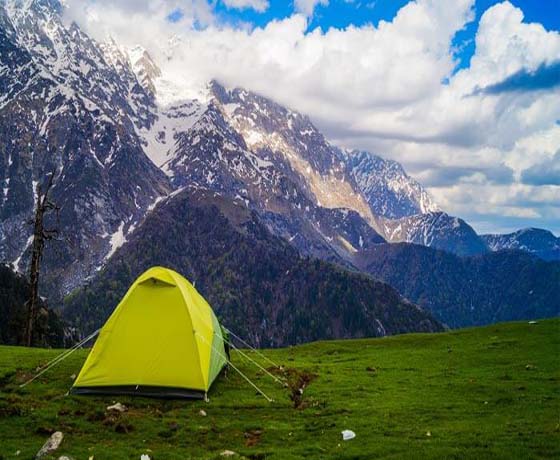
Camping: If camping overnight at Triund, either carry your own camping gear (tent, sleeping bag, etc) or rent it in Mcleodganj or Gallu. There are basic camp facilities available for tents at a higher price.
No Hotels at Top: No accommodation available on the top other than tents.
Fitness Level: While the trek is rated easy to moderate, being in good physical condition makes it more enjoyable. A little prior exercise or preparation can really enhance the overall experience.
Carry Your Trash: It is an important measure that each trekker needs to follow. It helps keep nature safe. Make sure that the campsite or wherever you visit should be left garbage-free.
Hiring a Guide or Porter: Guides are available at McLeodganj. They can help you plan and manage your itinerary and provide other necessary support during the trek. Porters can be hired in case you are unable to carry the tent and heavy items.
Triund trek
Triund Trek, Mcleodganj Trekking Distance: 9 km | Duration: 5-7 Hours | Elevation: 2297 Ft. Post check-out, begin your descent towards McLeodganj, passing through picturesque - oak
Triund Trek is around 9 kilometres long that can be completed in 4-6 hours, making it possible in a single day. However, the best part is to watch the sunset, -
Triund Top